I love this recipe because it’s healthy, cleans out your produce drawer, and it’s super-easy. Plus it’s sugar-free which makes it a great fit for those sticking with Paleo or Keto diets.
[bctt tweet=”I love this spaghetti sauce recipe because it’s healthy, cleans out your produce drawer, and it’s super-easy.” username=”corkboardblog”]
I used my Instant Pot which definitely makes it quicker, but I imagine you could also use a big pot on the stove or your slow cooker.

Ingredients
Lots of tomatoes
Onion
Carrots
Squash
Kale
Garlic
1 Cup Liquid
Salt
Italian herbs in some form–fresh, dried, essential oils.
What to do
- Fill your Instant Pot almost to the fill line with tomatoes. I cut mine in half before tossing them in.
- Add a peeled onion, a couple carrots, a cubed squash, a couple large leaves of kale, and a clove of garlic.
(The beauty is that there is minimal chopping. Large chunks are actually better for Step 6.) - Add liquid. I like to use homebrewed kombucha, but plain water would work.
- Salt and herb to taste. I like lots of fresh basil and oregano.
- Cook on high pressure for 20 minutes. Release pressure naturally or manually.
- Don’t skip this step. Use a ladle to scoop out most of the excess liquid. Save the veggie stock for soups and recipes. It’s what makes this sauce thick and rich and stick to your pasta.
- Use an immersion blender to puree the sauce. Alternatively, you can bath puree it in a blender.
- After it’s cool, freeze in thick freezer safe bags or canning jars.
- Repeat every time your counter is covered in tomatoes!
- Enjoy the fresh taste of summer all winter!
If you skip the Italian herbs, this recipe also makes a great base for chili. You can always add the herbs later if you decide to use it in an Italian recipe.
We use this on pasta, zucchini noodles, in recipes, and as tomato soup.
What’s your favorite recipe that uses spaghetti sauce?
]]>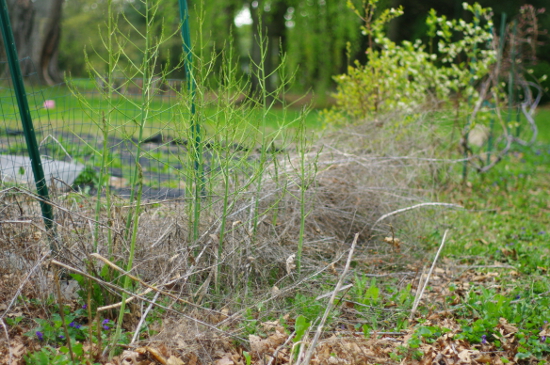
That’s what I thought when I happened to walk around the side of our house a couple weeks ago and saw the above disaster scene. This is evidence that we 1) never got around to clearing out the asparagus bed last fall and 2) let it go to seed before actually harvesting any this spring. Of all the things we grow, the perennials are what are supposed to sustain us (physically and mentally) even when we have a bad annual season. This sight was so depressing because all we had to do was go out and cut the asparagus, and we couldn’t even get that right!
Fortunately, like a lot of more weighty life issues than our asparagus bed, the story wasn’t over. Hubby went out and leveled all of last year’s garden, including the asparagus bed. I was becoming content to just have a re-do next year, when I ventured out and discovered that asparagus season wasn’t actually over, and the roots were still shooting up these fresh, green promises of redemption.
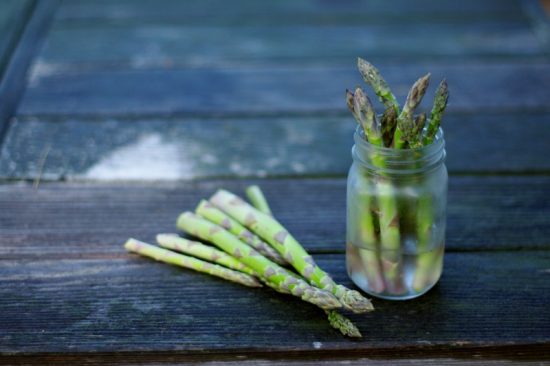
I find myself (and often times others…which is super NOT helpful) reacting to our situation (or our kids’ behaviors) like this is the end of the story. It’s depressing and paralyzing. However, my head is trying to remind my heart that my faith says that the story of us and our kids isn’t over, and there’s a promise that there will be a happy ending. Maybe here on earth (like my asparagus), but definitely when Jesus restores all that has fallen. My heart is asking my head if it’s okay to continue on as snarky and sarcastic (as opposed to grace-filled and compassionate) while the story still sucks a little. Maybe the two pairs aren’t mutually exclusive?
Do you have a situation in your life where you need a reminder that the story isn’t over?
P.S. I have a new obsession with Facebook Live. It’s just so much more convenient than having to be at a computer to type out all of my thoughts (I hate typing on mobile devices, and I’m pretty much always on the go). I’ve been mostly reserving my Live-ness to specific groups where people are more captive audiences more by choice, but I’m starting to share some of the love on the page for this blog. If you’re not following the action there, feel free to pop over. I went live about grain-free breakfast this morning.
]]>
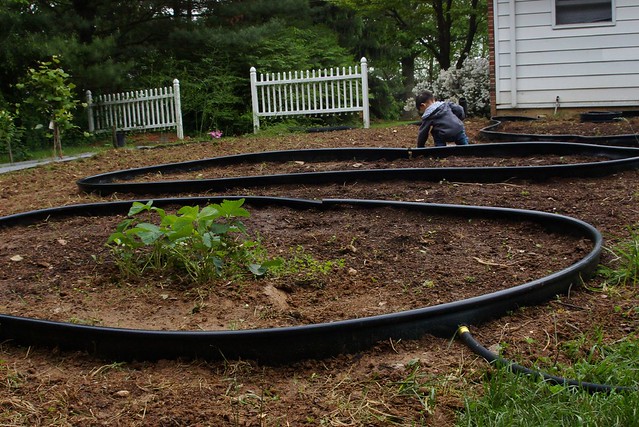
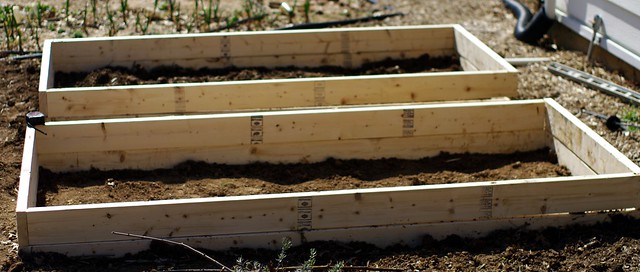
Not easily deterred, we picked up where we left off at our “forever” home a couple years later. We’re the kind of “gardener” who flips through a seed catalog and orders whatever looks “fun.” Additionally, Patrick also has no problem imagining something and just going for it when it comes to garden design. We’ve had everything from throw seeds into the barely tilled earth, to organic shapes with built in underground irrigation, to our current 16 raised beds.
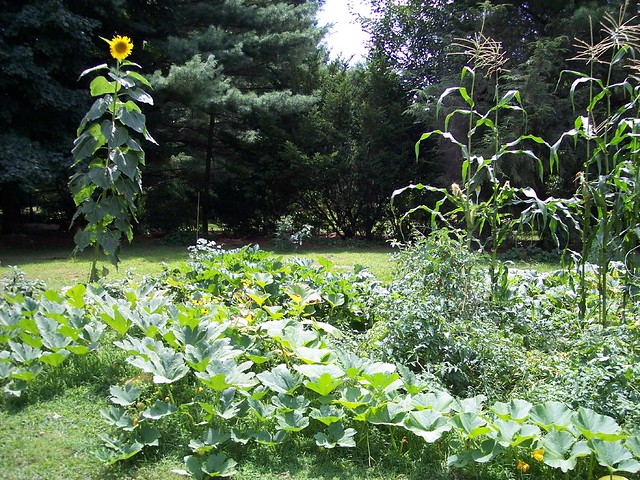
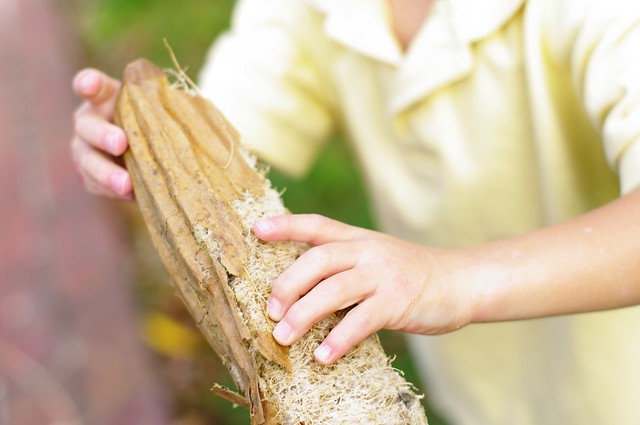
Because we’ll grow almost anything, we’ve stumbled across all kinds of new factoids. Did you know loofah sponges aren’t from the sea (as most people seem to assume), but are actually the inside of a fibrous fruit that grows on a vine that is in the squash family?
That brings us to our artichoke plant. We planted like 3 things last summer because we were trying to run a coffee shop and deal with a mental health crisis. One happened to be an artichoke plant seedling. Then we promptly forgot about it.
Fast forward to January. I’m walking through the garden lamenting at what a fail the past season was and I stumble across our artichoke plant which now takes up almost an entire bed but produces exactly ONE fruit.
Lesson #1. Sometimes it takes a lot of effort and support to do ONE thing. Sometimes ONE person requires ALL the resources in an area. You’ll do better if you know this going in ahead of time.
I assume it’s way past when we could eat it, but cut it off and bring it in with the intention of looking up how one prepares a fresh artichoke.
Life happens. I procrastinate on my artichoke project. Then, one blistery, cold day, I come out to this.

My artichoke had flowered!
Lesson #2. It was a hard week, but the unseasonable sunshine and warmth in our neck of the woods has helped me remember that even in the midst of winter (literal and figurative), God provides what we need. Sometimes we need to go looking for it, but go foraging with faith! I needed a taste of spring in the middle of winter. He’s provided that over and over again. At my hopeless point this week, I started foraging, and he came through with a solution to a problem that only he could provide.
[bctt tweet=”I needed a taste of #spring in the middle of winter.”]
Looking through my artichoke still-life photos, I also came across this.

Same sunlight, same white balance, but if you notice it’s a much cooler image (color-wise) than the first one. The only difference was that I changed it’s “environment” from the warm tones of the hardwood floor to the greener tones of an Ethiopian grass basket.
Lesson #3. Sometimes, a different perspective or change of environment can change our outlook on a situation.
I’d love to hear if these little lessons resonate with you…and if you knew that artichokes flowered!?!

]]>
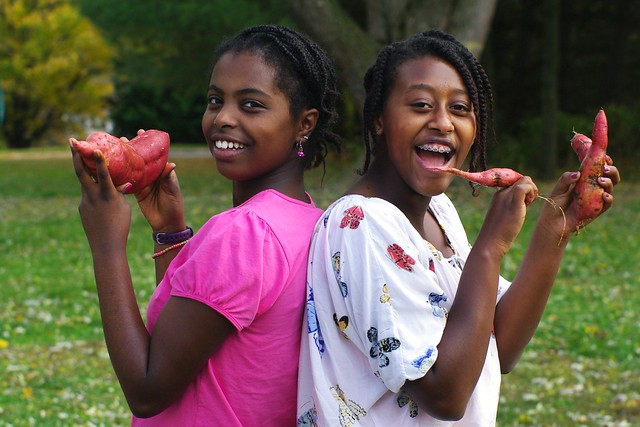
The first summer the big kids were home (2013), we let them each plant one of our raised beds.
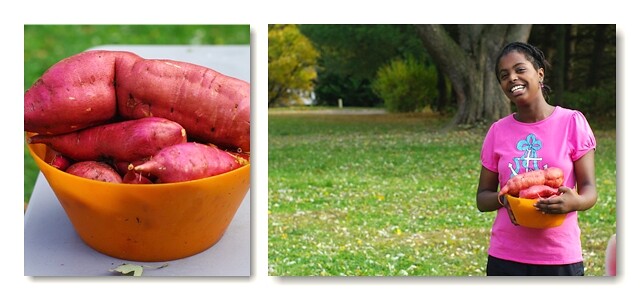
Both big girls grew sweet potatoes (which if you’re going to eat a carb, choose this one).
]]>Until…The Juice Plus company told me that the Tower Garden is a healthy option for growing vine-ripened fruits and vegetables–in any space. I have to agree.
To inspire healthy living, both around the world and in my own kitchen, I need things to be brought down to earth in a very applicable way. Like as in, how will this help me TODAY?
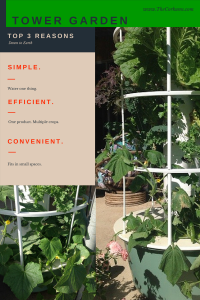
Here are 3 Reasons to love the Tower Garden:
Simple.
It is easy to assemble and maintain in a variety of different places as long as there is sun. The Tower Garden is pretty darn simple. It can grow vegetables, fruits, flowers, and herbs. You can see a complete list here.
Efficient.
And all of those can be grown in the same place at the same time with watering just 1 Tower Garden. Produce, on my back porch, in 1 place, and I only have to water 1 thing. Additionally, it uses 10% less water and land than soil grown plants.
Notables:
-Takes up very little space
-Can be placed on a patio, balcony, even rooftops
-Grows up to 20 plants on 1 vertical tower
-Needs no land or dirt
-Grows plants faster, with less water than traditional soil based growing
-And if you ask me, it’s really affordable considering all that it does!
Convenient.
Lastly, who doesn’t want convenient? You have up to 20 plants all in 1 place. You can walk just outside your house, apartment, or office (if you have the authority to place one there) to fresh produce. Everything you need to begin growing your plants is included with the Tower Garden when you order.
Over time, the Tower Garden can save you money as it is designed to last a lifetime. Most people report the Tower Garden ‘pays for itself within 2 years’. The Tower Garden System also has a 12 month installment payment option.
And as a side note, Tower Garden is used in many home schooling organizations as well.
Ready to start growing? Click here.
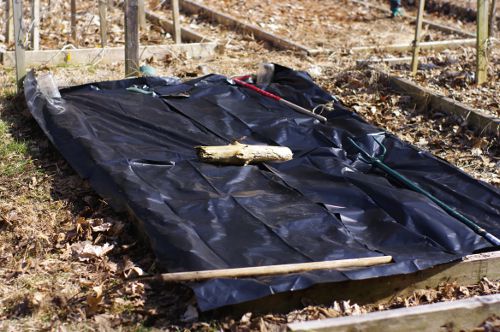
While there’s still snow in our forecast, it’s past due to think about your spring garden. Last week I put some cool weather root veggies in the ground and covered the bed to retain the heat while the temperatures are still unreliable. If you missed my list of favorite gardening resources last year, check it out here.
I also love these books…
On another note, I found these survivors out in the garden.
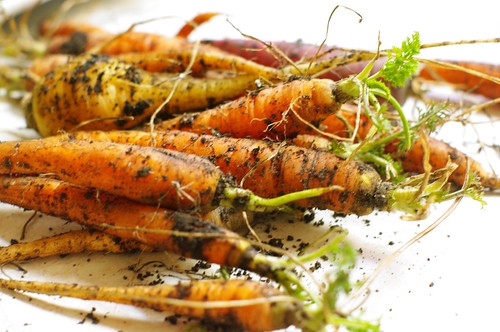
Check out my post at the Kidville Blog for a How-To.

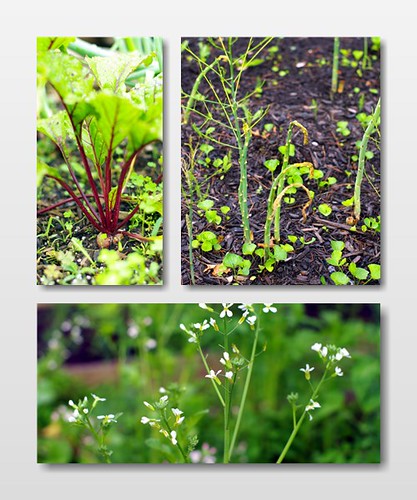
Earlier this spring we had those early spring things such as beets (upper left), radishes (bottom), and asparagus (upper right). We let some radish bolt because I read that it can deter cucumber beetles. Spring time also brought lots leafy greens.
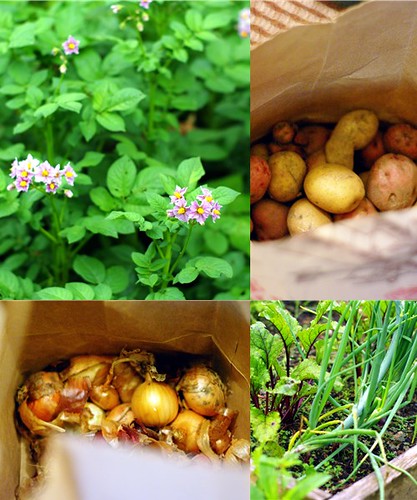
While it was still a little frosty, we put in potatoes (top) and onions (bottom). We harvested a couple weeks ago and have enjoyed having these staples on hand.
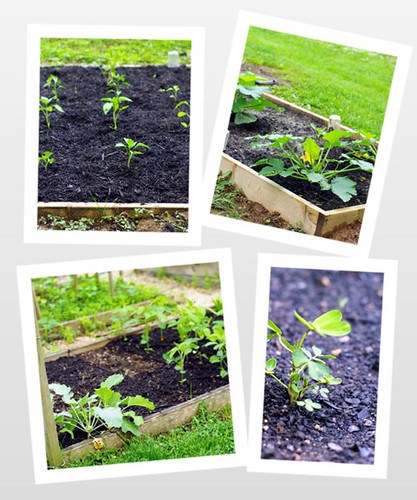
Going clockwise, we also have peppers, squash, volunteer pumpkins, kohlrabi, and peanuts. Of course, we have a plethora of soy for fresh edamame, string beans, tomatoes, and cucumbers.
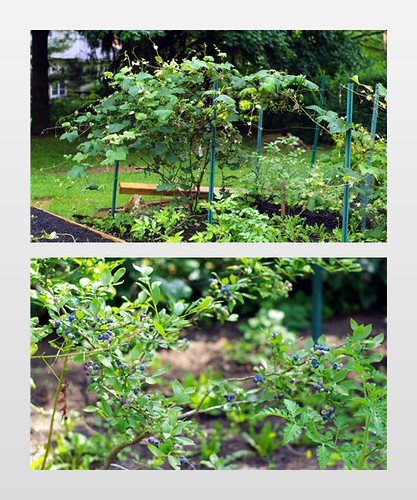
Fruit-wise, we grew grapes (top), blueberries (bottom), raspberries, blackberries, peaches, and Asian pears. Before you’re too impressed, you should know the birds ate most of the grapes, raspberries were pretty scarce, and we got no nectarines or apples despite having those trees.
We are planning on gardening through the fall with carrots, greens, beans, and peas and other cold tolerant veggies. Pictures coming…promise.
What did you grow this summer? Or what are your plans for a fall garden?
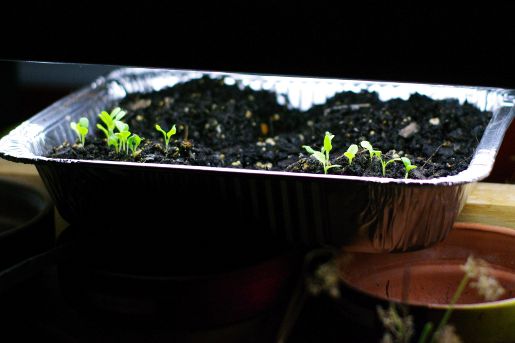
]]>
We raised our beds to promote soil warmth. We learned that Mesoamericans raised their beds to enable them to garden in swampy areas. As long as the irrigation channels remained wet from the swamp, no watering necessary!
]]>
Our citrus plant is flowering! ]]>