Good question.
I’ve been thinking about it ever since she asked.
On a practical level, I have the best husband E.V.E.R. who is doing a lot of the practical things such as cooking and homeschooling, so I can focus on helping others. Additionally, while we have a lot going on and a lot of stress, we feel safe. That is not always the case when a family has a really fragile child.
On an emotional level, I’ve had to do a lot of healing myself. Even just a year ago, I struggled to read posts on most adoption support Facebook groups. They left me feeling hopeless, snarky, and resentful.
Part of my healing journey has been realizing what types of activities fill me up and help me move forward in life. I thought for a long time that I was most effective when I was meeting my kids’ needs. But instead, I felt like I was pouring my soul into a black hole.
[bctt tweet=”‘I thought for a long time that I was most effective when I was meeting my kids’ needs.’ Read why this mom was wrong. #parenting” username=”corkboardblog”]
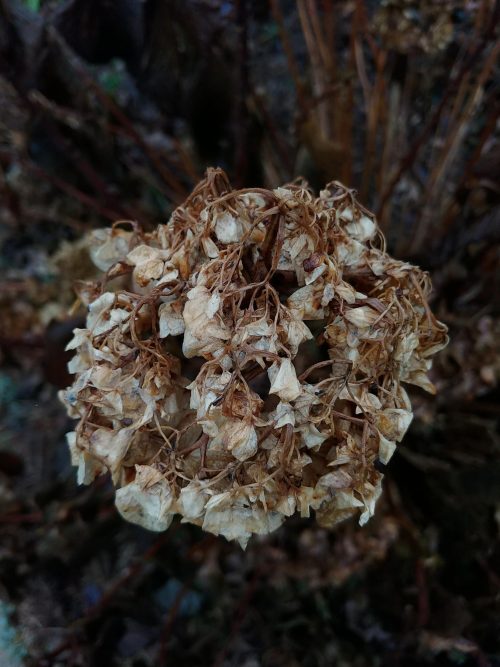
Now, I understand that the greatest return on my investment is prioritizing my needs and defining success in ways that have absolutely nothing to do with how my kids are behaving or the decisions that they are making.
Yesterday, as part of my save-my-sanity-self-care-plan, I went out on a walk. It was unseasonably warm at almost 50 degrees, but foggy and misty. As I was walking, I started noticing rain drops perched on trees, grass, and dying flowers.
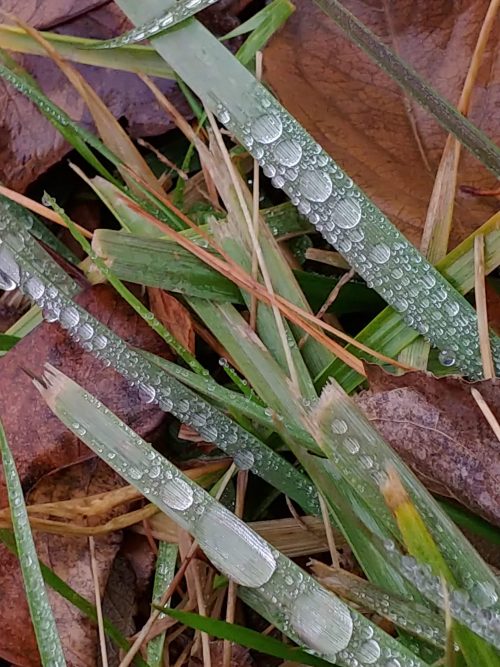
There was this simple beauty all around me. And that beauty was there for me to enjoy regardless of what was going on circumstantially in life.

Even if you’re at the end of your rope with your kids.
Even if you’re feeling like a failure as a mom.
Even if you have no hope left.
[bctt tweet=”There are simple pleasures all around if we stop long enough to pay attention.” username=”corkboardblog”]
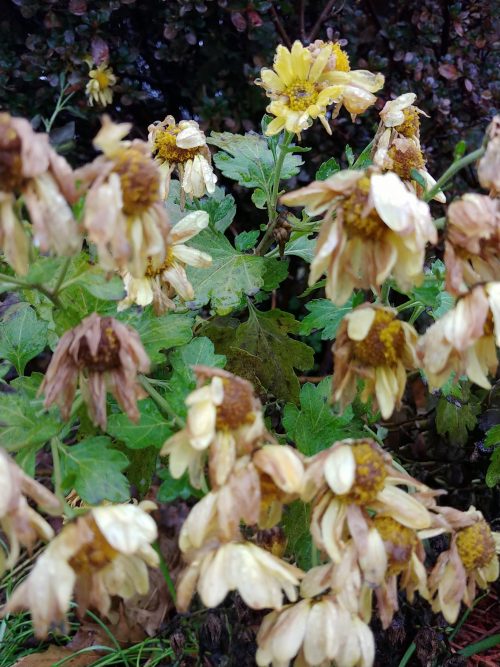
Maybe it’s nature.
Maybe it’s a hot cup of something yummy.
Maybe it’s a smile from a stranger.
Maybe it’s sneaking a piece of chocolate and a glass of wine.
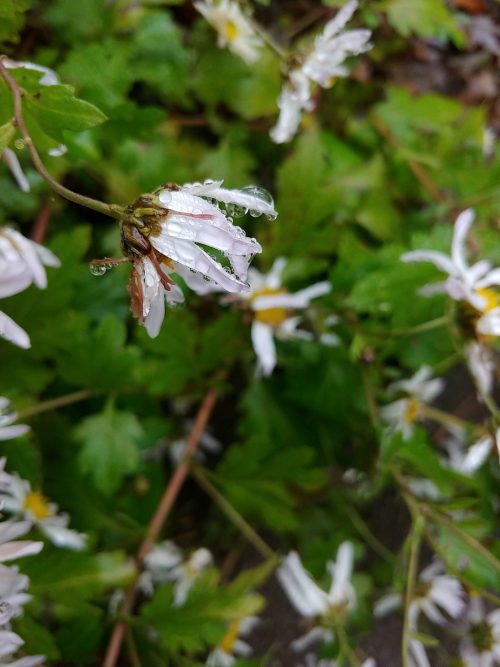
Take some time this week to look for the little things.
What are your simple pleasures?
Share them on Instagram and tag them #corkboardblog so we can all enjoy each other’s simple pleasures.
]]>
I am feeling really privileged to serve as the official team photographer for an upcoming ACT Mission Trip.
Click here for details and how you can get involved!
]]>I’ve been wanting to write a post (or two, or three…) about photography since a lot of you have been asking. And it’s also Foto Friday. So allow me to share some photos while I (hopefully) help you take better pictures. Like I mentioned before, so many ideas, so little time.
If you don’t care about photography mumbo-jumbo, skip the end and read about Ty.
The most often asked photo question (at least to me) is, “What kind of camera do you use?” Fortunately for you, it’s more about basic photography knowledge and good editing software than the camera.
Enter Exhibit A.
I took this with my point-and-shoot (the less expensive, everday camera)…
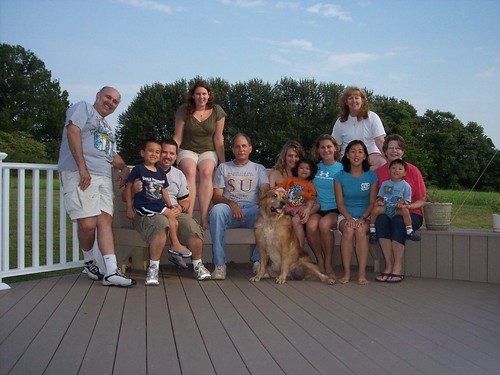
…and this with the DSLR (the more expensive, professional-grade camera).
After editing, they looked like this…
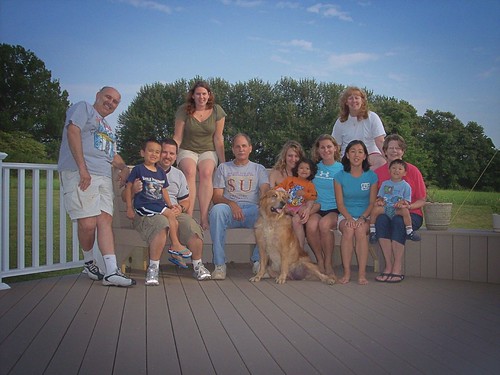
and this.
But for the record, I have a DSLR (Pentax *st DL) and a pretty basic Kodak point-and-shoot (DX7630). Here’s the kicker…you’ll probably never see these mentioned as a CR Best Buy or recommended by a photography website. In fact, I’m not sure I even would recommend them (if they’re even still on the market). I could go into the reasons I went for a Pentax DSLR instead of a Canon or Nikon but I won’t bore you. Just know it was mostly financial (think $300 vs $700).
So know you may be asking, “What’s the difference between a DSLR and a point-and-shoot?” or better “What do I have and what should I have?”
Let’s review camera types (I am going to default to outside sources mostly. Why re-invent the wheel, right?):
DSLR—Here’s wikipedia’s take. In simple terms, these are the bigger cameras with interchangeable lenses.
Point-and-Shoot–Again, I’ll let you explore wikipedia. Basically, these are all the other cameras. They do range from compact (fit-in-the-palm-of-your-hand-kind) to superzoom (look like DSLR wannabees).
Bottomline, DSLRs are more powerful and versatile…and more expensive. Point-and-shoots with more features can take great pictures too (for a lot less money). So the answer to “what camera should I have?” is it depends. I would go DSLR if you’re serious about learning more about photography and want to explore more than just documenting life (and can afford it). Did I mention they’re a lot more money? For point-and-shoot, I would at least go with a subcompact (in between compact and superzoom) that has manual setting capabilities.
Phew…I think that’s all for this post. I’ll explore camera settings, editing, composition, etc. another time. Stay tuned. In the meantime, if you have camera questions, go ahead an shoot (pun intended). Probably leaving comments is best. In fact, I’m trying out a new comment system that allows me to reply back in a “Disqus“-sion format.
———————————————————–
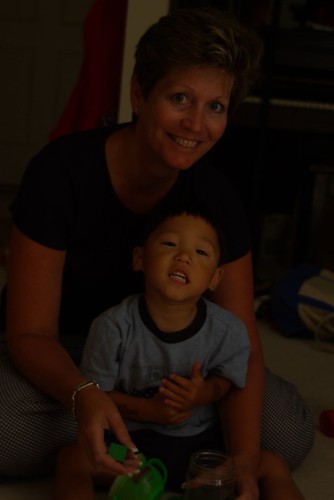
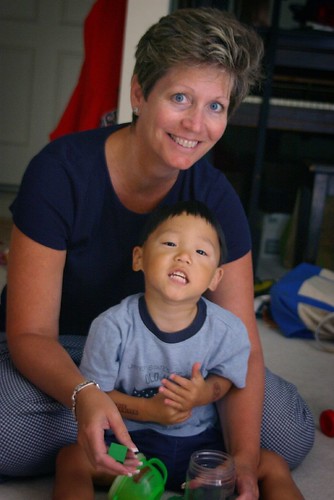
Even without all the photo mumble jumble, I would have shared this picture.
Why? Because it represents how much of a miracle baby Ty really is. To look at him, you would never know that he was born 15 weeks early, weighing only 1 pound 7 oz.
I know you’re wondering. Yes, we know a lot about the circumstances of his birth. No, we’re not sharing it. We’re doing our best to protect Ty’s story so that he can decide (when he’s old enough) who to tell what.
He was born with periventricular leukomalacia (PVL) which is not unusual for preemies but also put him at a 50% risk of Cerebal Palsy. The above picture is Ty’s last of only three visits with a therapist to fill in some developmental gaps. He was also cleared by a neurologist this week…so no CP. We still see a speech therapist (actually, she comes to us), but he’s making great strides in that area as well. We’re even hearing sentences. God is good.
]]>