[bctt tweet=”Focus on what you CAN eat rather on finding substitutes for what you can’t. #paleo” username=”corkboardblog”]
But sometimes you just need a solid bread substitute. In the past, we’ve found that Paleo breads were either too dense or were more like dessert breads rather than sandwich breads.
Then I found this recipe that used cashews and whipped egg whites. It calls for probiotic to “sour” it. What I really wanted was to be able to use my grain-free sourdough starter, so I experimented and am here to report back so you can have awesome, healthy, grain-free, sourdough bread.
What you’ll need:
20 oz. raw cashews
(I get mine through Thrive Market, but then I also found these if you’re an Amazon person.)
1 cup water
1/2 cup active grain-free sourdough starter
4 large eggs, separated
2 TBS. water
1 tsp. baking soda
1/2 tsp. salt (use something unprocessed with all the extra trace minerals still in it).
Real Salt or Pink Himalayan Salt are solid choices
Loaf pan
Butter
Parchment paper
The Night Before
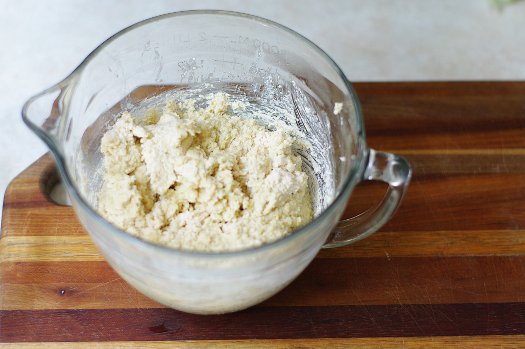
- In a food processor or powerful blender, blend the cashews, water, and starter together until very smooth. Use a rubber scraper if necessary to scrape the sides and incorporate all the cashews.
(We have a Ninja blender). - Transfer to a large glass bowl. Cover and leave in a warm place overnight. The dough needs to be at at least 85 degrees but not more than 110. I either sit mine next to my crockpot (if I’m cooking something) or in my oven with just the oven light on.
On Baking Day
- Preheat the over to 325 degrees F.
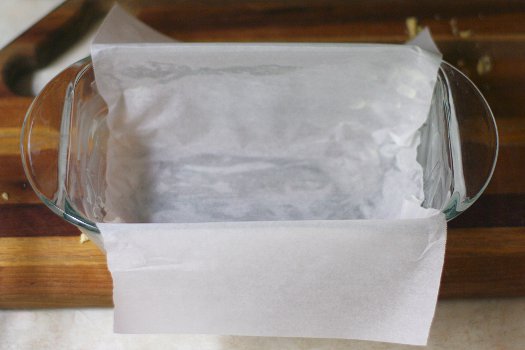
- Grease the loaf pan. Dust with starch. Line with parchment paper. I usually use a piece that lines just the bottom and long sides of the pan with an inch that hangs over on each side. (I still hadn’t trimmed the paper in this picture.)
- Beat the yolks with the 2 tablespoons of water. Reserve about a tablespoon in a small bowl for brushing the top of the loaf later.
- Add the yolks, baking soda, and salt to the dough.
- With clean beaters, beat/whisk the egg whites until soft peaks form.
- Gently fold the egg whites into the dough.
- Transfer the dough to the loaf pan.
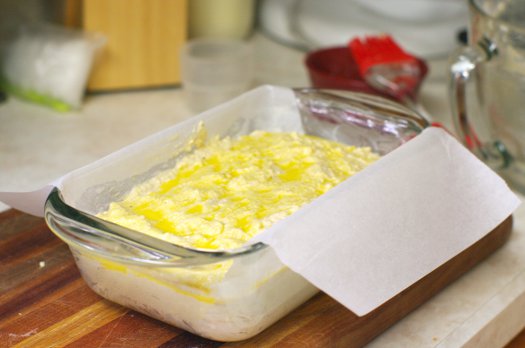
- Brush gently with the reserved egg yolk mixture. (Parchment still not trimmed. I promise that I did that before I put it in my hot oven and burned my house down ;))
- Bake at 325 for about 50 minutes. The interior of the bread should read at least 200 degrees F.
- If the top needs more browning, turn up the oven to 375 and bake another 5 to 10 minutes.
- Remove from oven and turn onto a cooling rack. Wait at least 10 minutes to cut.
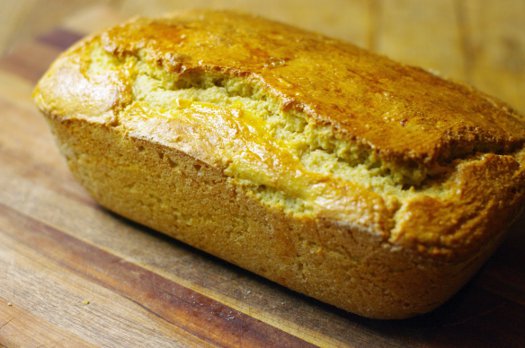
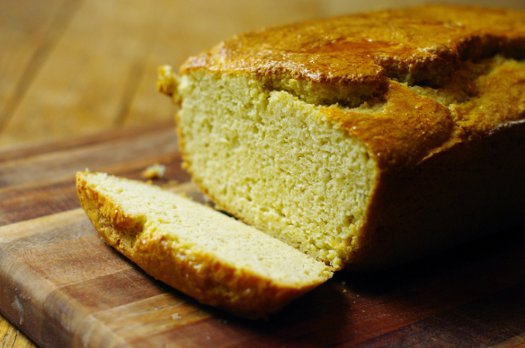
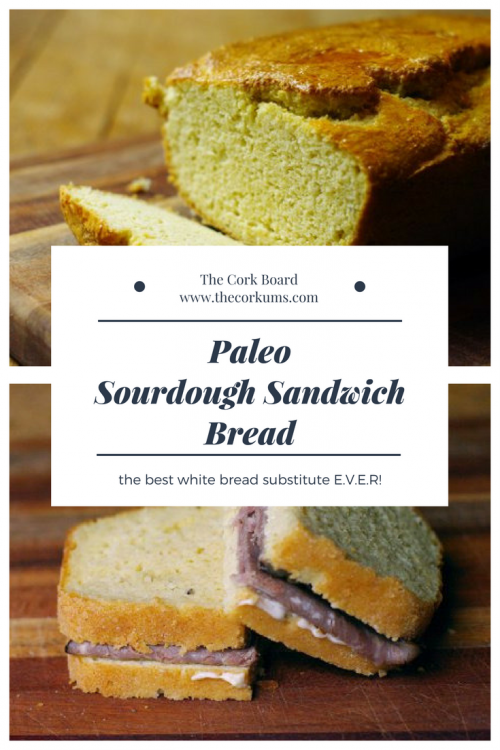
This bread is the closest thing to a white bread substitute that we’ve ever had. It’s not too dense and doesn’t have a strong flavor. It’s perfect for sandwiches, almond butter toast, and even french toast.
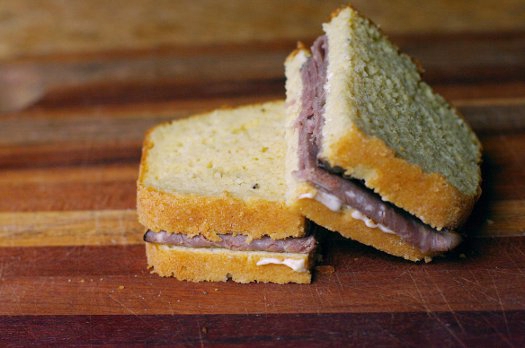
What would you put on a Paleo sandwich?
]]>*If you need a primer, type “benefits of sourdough” into your preferred search engine.
Equal parts of flour and water in a mason jar on my counter. To my amazement, it got bubbly and starter-ish looking after just a couple days.
SUCCESS!
Or so, I thought. It seemed no matter what I did, I could not get this starter to make anything rise. I tossed brick after brick of sourdough “bread.” I had almost given up and assumed I might have to cave and buy a starter, when VOILA! After almost 2 years of trial and error, I finally found success. I think I had never gotten my starter (or dough) warm enough. Eighty-ish degrees Fahrenheit (80 F) seems to be the magic threshold. In the winter, I need to keep my starter and rising dough stacked around my slow cooker which I fill with water and set to warm. I had tried putting the dough in the warm crock once, but that gets too hot.
Here are some other tips and resources I’ve learned during my sourdough journey.
- If you want to get started (and don’t live close enough to me to get a jar of my starter), check out Cultures for Health.
- Starter is pretty forgiving and resilient despite the hype. I leave mine in the refrigerator when I’m not actively baking. It has gone up to months without a feeding, and I’ve been able to revive it. Ideally you should probably feed cold starter every 1-2 weeks.
- Gluten-free starters (I feed mine with rice flour) are just as much fun. I now keep one of each in my fridge.
**8/10/2017 UPDATE** I converted my gluten-free starter to grain-free by feeding it with cassava flour. - I can get mine active enough with just one feeding out of the fridge as long as it’s warm enough. This is great because it creates less extra starter.
- In case you end up with lots of extra or discarded starter, find a go-to recipe. There are recipes for discarded, gluten-free starter, too!
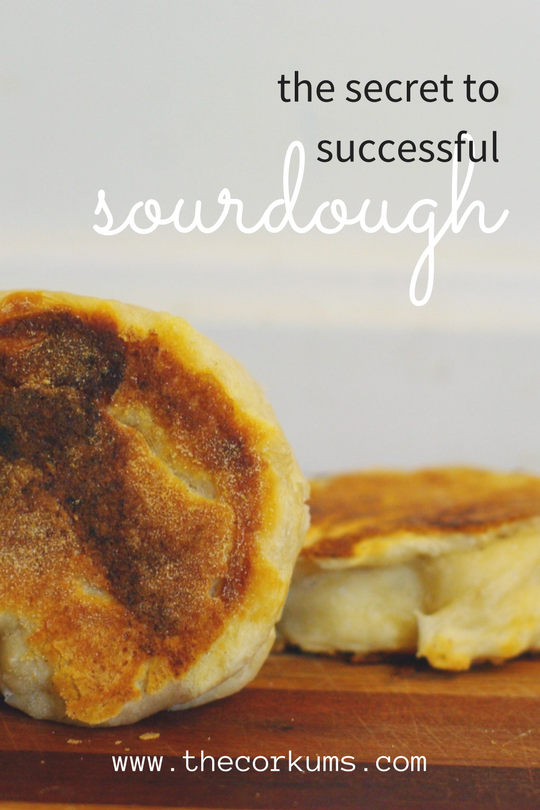
Tried and True Sourdough Recipes
English Muffins–I make these the most often. I’ve used almond milk and 1% milk with no issues. I leave them out overnight and skip the refrigeration part. I’ve also found that letting them re-rise after mixing in the baking soda water gives the fluffiest muffins. I can squeeze out 10 if I let the dough do this second, short rise.
No-Knead Bread– This is my favorite no-knead bread. I’ve subbed a 4ish ounces of sprouted whole wheat or spelt flour with success. This recipe makes a larger loaf, or I’ve successfully split it for 2 smaller ones. I’m also experimenting with parbaking (just doing the first 30 minutes covered) and freezing so we can have less sitting out and another fresh loaf without the full process.
Grain-free Bread– This is Ty’s favorite! I’ve subbed flax meal for the psyllium husk and hazelnut flour for the almond flour. The hazelnut flour definitely changes the flavor more towards a dessert bread. We make paninis and even french toast using this bread!
Every other sourdough recipe I’ve tried has also come from the Cultures for Health recipe blog. We’ve tried the basic sourdough loaf (I do a half recipe at a time), gluten-free snicker-doodles, french baguettes, muffins, and we always turn our discarded starter into crepes (for the gluten free starter) or pancakes.
]]>